

Choosing an oil filter for a small mill begins with two things: the oil you press and how much of it you handle. Different seeds produce oils with different viscosity, solids load and sensitivity to processing. Peanut, rapeseed, sunflower, soybean, sesame and similar oils do not all filter the same way, and a filter that works well on one may leave another cloudy or run slowly.
Output scale sets the size and type of machine. A small batch operation serving a local market has different needs than a mill running several presses through the day. Before comparing machines, note the oil type, the rough level of suspended solids in the crude oil, your daily output, and how clear the finished oil must look for your customers.
Match Filter Type to the Process Stage
Most small mills do best by matching the filter to what it has to remove. Bag filters handle coarse suspended solids as a first-stage clarification, are simple to maintain and suit oil that already has most of its heavy debris removed. Plate-and-frame filter presses pass oil under pressure through cloth or paper and produce a clear batch oil, and are common in small and medium mills that want strong clarity in batch operation. Centrifugal filters separate solids by spinning the oil and suit continuous or high-throughput clarification, especially where the oil carries fine, dense residue.
The practical question is which stage your filter covers. A coarse filter will not polish a cloudy oil by itself, and a fine polishing machine wastes its capacity on heavy crude loaded with cake fines. Many small lines run a coarse removal step first, then a main clarification or polishing filter, rather than trying to do everything on one machine.
Throughput and Batch Size
The filter has to keep up with the press without becoming a bottleneck. Check the machine's batch size or hourly flow against how much crude oil your presses produce, so filtered oil keeps pace instead of backing up into settling tanks. For batch presses, a filter that matches a typical batch means each pressed lot can be filtered cleanly before the next one accumulates.
Do not size only around peak output. A machine that barely keeps up on a busy day leaves operators waiting, while one far larger than the mill's real use costs more up front, takes more space and runs underloaded. Leave some headroom for occasional higher batches, but match the main rating to your normal daily output rather than the largest occasional day.
Clarity Target and Market
The clarity you need depends on who buys the oil. Oil sold locally after simple pressing may only need removal of visible foots and meal particles, while oil sold through retail, export or to customers who judge appearance expects a bright, clear product with little haze or settled sediment. Premium and delicate oils also keep their color and aroma better when filtered gently and cleanly.
Clarity targets should be realistic against the filter type. Plate and paper presses generally give a strong visual polish; centrifuges remove dense solids well but may leave very fine or colloidal matter that a polishing filter still needs to handle. If buyers reject cloudy oil, it is worth confirming what filter level meets that appearance standard before investing.
Maintenance and Consumables
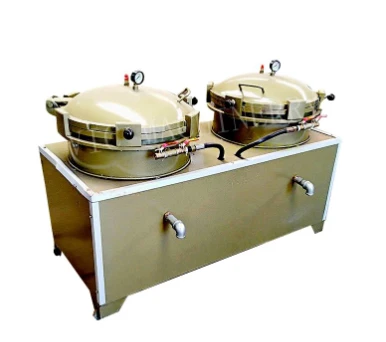
For a small mill, running cost often matters as much as purchase price. Filter cloths, papers, bags and cartridges are consumables that must be cleaned or replaced, and a machine that needs frequent cloth washing or frequent part changes adds labor to every batch. Check how easy the filter is to open, clean and reassemble, how long the medium lasts between changes, and whether spare cloths, papers or bags are readily available.
Centrifuges need regular sludge clearing, and plate presses need cake discharge and cloth maintenance; bag and cartridge filters need medium replacement. Compare the ongoing labor and consumable cost, not just the machine price. A filter that looks cheap but consumes cloth or bags quickly and slows every batch can cost more over time than a slightly more expensive, easier-to-maintain model.
Hygiene, Space and Power
Food-contact parts should be stainless steel or food-grade material, with surfaces that rinse clean and no pockets where oil residue can collect. In a small workshop, footprint and layout matter too: the filter must sit close enough to the presses or settling tanks for oil transfer, and leave room for loading, cleaning and cake disposal. Power supply and pump capability should match what the machine requires.
Also consider how the filter fits your press line. Whether oil settles first, whether you run hydration or degumming before filtration, and how filtered oil moves to storage or bottling all influence which machine and arrangement work best. A supplier who sees your crude oil and your line layout can match the filter more accurately than a generic size recommendation.
Conclusion
Choosing the right oil filter for a small mill comes down to matching the machine to your oil, output and clarity target. Start with the seed and solids load, decide whether the filter handles coarse removal, main clarification or polishing, and size throughput to your normal batch and daily production rather than an oversized peak. Compare filter types by what they remove, consider consumable cost and maintenance labor, and check hygiene, space, power and how the filter fits the rest of your press line.
There is no single best filter for every small mill. The right choice is the one that keeps up with your presses, produces the clarity your market expects, and stays easy and affordable to run between batches - with spare parts and support that keep filtration steady through daily production.


