

Hydraulic Oil Press
1.Hydraulic oil press machine is very perfect cold oil press machine for olive fruit, virgin coconut, avocado, rice bran, cocoa butter and other precious seeds, also for sesame, sunflower seeds, peanut, groundnut, rapeseed, etc high oil content crops.
2.Real low temperature pressing, the pressing temperature will not exceed 40 degree,will retain final oil flavor.
3.The capcity is 12-200kg/h for raw materials, CE approved.
4.The working pressure can reach 60Mpa with the residual oil rate down to 6%.


The hydraulic oil press machine is used to extract oil from peanut, soybeans, sesame, sunflower seeds, walnut, pine nut, almond, etc., and boasts a high oil yield. With easy operation and various models, these oil press machines have been exported to many countries, greatly improving working efficiency compared with manual operating. The hydraulic oil press machine is mainly composed of a barrel, cylinder, handle, hydraulic handle, pressure relief valve, grease nipple, etc. The hydraulic oil press machine is made of high-quality metal materials to improve machine performance and ensure component service life.
Benefits of Hydraulic Oil Press
High Production Capacity
The hydraulic oil press is engineered to produce an impressive 24kg of seed per hour. This remarkable capacity is perfect for middle-scale operations, enabling businesses to meet growing demands with ease and efficiency. Whether you are processing seeds, nuts, or other oil-bearing materials, the hydraulic oil press ensures a steady and reliable output of high-quality oil.
Integrated Collection System
One of the standout features of the hydraulic oil press is its efficient-integrated collection system. Both oils and cake are collected in a centralized location, which not only simplifies the production process but also ensures a clean and organized working environment. This integration minimizes the need for additional handling and processing, thereby reducing labor costs and potential contamination.
Durable Construction
Durability and longevity are at the core of the hydraulic oil press's design. Constructed entirely from high-quality stainless steel, the machine is built to withstand the rigors of continuous operation in demanding environments. The stainless steel construction provides excellent resistance to corrosion and wear, ensuring that the machine maintains its performance and appearance over time.
Efficient Oil Collection
The hydraulic oil press is equipped with a precisely engineered oil spout that facilitates the smooth collection of oil into containers. This feature is particularly beneficial for maintaining the purity and quality of the oil, as it reduces the risk of spills and contamination. The design of the spout also allows for easy monitoring and adjustments, ensuring optimal performance during the extraction process.
Large Capacity Hopper
To further enhance productivity, the hydraulic oil press features a 100-150kg single hopper. This large capacity hopper allows for the continuous feeding of raw materials, significantly reducing the frequency of refilling. This not only saves time but also ensures that the machine operates at peak efficiency, maximizing output and minimizing downtime.
User-Friendly Design
Hydraulic oil press is designed with the user in mind, featuring intuitive controls and clear monitoring systems. The machine's user-friendly interface allows operators to quickly learn and master its functions, leading to increased productivity and reduced training time. Additionally, the design includes safety features to protect operators and ensure smooth operation.
Applications of Hydraulic Oil Press in Various Industries
Renewable Energy Industry
Additionally, hydraulic oil press machines are used in the renewable energy industry. Many biofuels, such as biodiesel, are produced from oil extracted from plants. The hydraulic oil press plays a crucial role in the extraction of oil from crops such as soybeans, rapeseed, and palm. This oil is then processed to produce biofuels, which are considered a more sustainable and environmentally friendly alternative to fossil fuels.
Food Industry
One of the primary applications of hydraulic oil press machines is in the food industry. These machines are commonly used to extract oil from seeds such as sesame, peanut, and sunflower. The extracted oil is then used in cooking, baking, and food preparation. The hydraulic oil press ensures that the oil is extracted without any chemical additives, making it a healthier option for food production.
Cosmetic Industry
In addition to the food industry, hydraulic oil press machines are also extensively used in the cosmetic industry. Many cosmetic products, such as lotions, creams, and soaps, require natural oils as ingredients. The hydraulic oil press is used to extract oils from various plants, including lavender, rosemary, and jojoba. These natural oils are known for their moisturizing and nourishing properties, making them highly sought after in the cosmetic industry.
Pharmaceutical Industry
Furthermore, hydraulic oil press machines find applications in the pharmaceutical industry. Many medications and supplements require oil extracts as active ingredients. The hydraulic oil press is used to extract oils from medicinal plants such as chamomile, peppermint, and eucalyptus. These oils are then used in the production of pharmaceutical products, including ointments, capsules, and syrups.
Automotive Industry
Another industry that benefits from hydraulic oil press machines is the automotive industry. These machines are used to extract oil from various nuts, such as walnuts and almonds, which are then used in the production of lubricants and greases. The hydraulic oil press ensures that the extracted oil is of high quality and meets the stringent requirements of the automotive industry.
Manufacturing Industry
Moreover, hydraulic oil press machines are also utilized in the manufacturing industry. Many products, such as machinery parts and components, require oil for lubrication and cooling purposes. The hydraulic oil press is used to extract oil from seeds and nuts, which is then used as a lubricant in various manufacturing processes. This ensures smooth operation and prolongs the lifespan of machinery and equipment.
1. Assess Your Needs and Preferences in Oil Machine
When selecting the right Oil Machine for you, you can access your needs and preferences. You can shortlist the facts you are looking for to invest in an oil machine, be it features, benefits, or budget. When you lack clear instructions on what quality and needs you ideally seek in an oil press machine, it takes a longer time for you to come to a decision. You can assess the needs based on the application of the Oil Machine for you.
2. Capacity of Oil Press Machine
You can find various ranges of Oil press machines in the market. Palm Oil Processing Machines come with a processing capacity of 15 tons per hour. The soybean oil extraction machine comes in a capacity of 2 to 4 kg/hr. Whereas, Peanut Oil press comes in 4-8 kg per hour. As per the capacity and type of oil machine you are seeking, you can shortlist your favorites and place an order from a genuine supplier.
3. Extraction Method
There are variants of extraction methods for oil machines. They can be Manual Oil presses, Electric Screw Presses, Expeller Presses, or Oil Extraction Kits. You can choose your preference on the extraction method, generally, they operate in the cold press and hot press form.
4. Material and Durability
The material of the machine you are investing in has a major say on whether the product is durable in the long run. Oil Press Machines these days are made of metals and elastomeric materials, providing durable strength for long-run operation. When comparing, you can analyze the material composition of the oil press machine. Checking if they are made of high-quality materials or not is a primary concern. The stainless steel material usually makes the machine wear-resistant and provides anti-corrosive features to the build of the machine.
5. Ease of Use and Cleaning of Oil Machine
When investing and making a purchase decision, you can also analyze if the machine is convenient to put to use. Also, evaluating the ease of cleaning is equally important. Those machines that are flexible and versatile assure operational convenience. You can also inspect if the machine has resource-saving cleaning procedures. When the machine offers easy removal of oil, grease, and dirt inside the machine, it can be cost-effective over time. The cleaning and maintenance needs of the machine shall be prioritized before investing in an Oil extraction machine.
6. Safety Features of Oil Machine
Safety Features of Oil Machines are other Key Considerations to Analyze if the machine is extremely user-friendly. High-risk products with low safety features are a turn-off point. The machine with overheating protection and certifications of safety standards are the prerequisites before purchasing an Oil Machine.
7. Oil Quality and Purity
The oil quality and purity are key factors to consider when selecting an ideal oil extraction machine. In the long run, the quality and purity will offer economic benefits and provide high value to the product.
8. Minimizing Noise Level of Oil Machine
You can make an estimation and check the product description to assess information about the noise level of the Oil Machine. Having a less noise-making machine at your home is suitable for frequent use.
9. Cost and Budget of Oil Machine
Careful analysis of the cost and budget of the oil machine you are potentially buying is a key factor. You can compare machines that you find suitable and match them with your budget to make a purchase decision. Additionally, you can assess if the machine will add more maintenance costs and is cost-effective in the long run. Upon assessing your budget, you can proceed with selecting an ideal oil-expelling machine.
10. Warranty and Customer Support of Oil Machine
The machine with better warranty and customer service is a big yes to the users. For your home appliances, replacing the machine in a short duration does not sound friendly. Make sure, you access information regarding any malfunctioning of the machine, warranty, and customer support service attached to it, before investing in an oil machine.
11. Evaluation of the Energy Efficiency
You can evaluate the energy efficiency of the machine and also, analyze if it contributes to reducing operational costs. Those, with less energy consumption, will be more environment and cost-effective in the long run.
12. Additional Features and Accessories
Some oil machines come with additional accessories and features, which enhance the functionality of the machine. You can compare similar machines, and check if they have added filters, and oil containers, and accordingly, evaluate what you seek in a machine. The extra features do add value to your machine.
Hydraulic System of Hydraulic Oil Press Maintenance Checklist


1. Oil Maintenance
Check your hydraulic oil on a consistent schedule — it needs to remain clean and free of any contaminants. You should empty and replace the hydraulic oil after every 1,000 hours of work, or per the manufacturer's instructions. You can help minimize the risk of contamination by keeping the area around entry points, like dipsticks and fuel plugs, clear of dust and debris. Read the manufacturer specifications to confirm how often you should change the fluid and other factors of hydraulic fluid care. It is essential to use the same type of hydraulic fluid every time you top off your levels. If possible, use the same brand each time as well.
2. Changing Filters Regularly
Filters take on the task of removing even the most minuscule particles that could clog your hydraulic system. However, the process of keeping particulates out of the system causes the filters themselves to become clogged over time. Your filters will lose efficacy as they accumulate pollutants, so replace them often. If applicable, make sure to clean the filter bowl as well.
3. Rod Conditions
Visually inspect the rod for wear, such as corrosion and pitting. These issues can lead to moisture within the fluid, which compounds and can cause many problems for your hydraulic system, like increased wear and inadequate lubrication.
4. Seal Replacement
If rod corrosion occurs, it can damage the seal from excess friction. Other dangers to seals include excess pressure and fluid contaminants. A worn seal may leak, causing equipment hazards and environmental health and safety concerns. If there are signs the seal is damaged, check with your equipment manufacturer about proper replacement.
5. Regular Hydraulic Lines Checkup
Fluctuations in pressure or line thickness can lead to equipment damage. For example, excessive pressure from the cylinder can cause ballooning, where the line dilates and allows too much high-pressure fluid to pass, thus wearing out the seals. Regularly inspect the condition of the lines and make sure they are not ballooning.
6. Inspect Fluid Levels
For optimal functioning, you must watch your fluid levels, adding to them as needed. Too little hydraulic fluid can damage your pumps. Just like when replacing contaminated oil, be sure to follow the specifications given by the manufacturer and take care to avoid mixing oils.
7. Check Breather Caps, Fill Screens and Breather Filters
Breathers must be kept clean or risk contaminating the hydraulic system. Clean the breather regularly and inspect it for holes or tears. Different types of breathers may have additional requirements, so check the manufacturer's instructions. Spring types, for instance, may need to be replaced annually to avoid tension loss that allows contaminants. Others can have indicators that tell you when to replace filters or caps. Be aware of any additional steps such as these.
8. Inspect Filter Indicators
Most filters have pop-out buttons that trigger when they become clogged. Check for any of these indications and replace the filters as needed.
9. Check the System Temperature
If your system temperature gets too hot, it could indicate an issue with your cooler or relief valve. Low fluid levels could also contribute to heat. Use built-in or infrared thermometers to check temperatures. Do not touch components that you suspect may be hot, as this can lead to severe burns.
10. Visually Inspect Inside the Reservoir
Aeration within the reservoir can cause overheating and wear on seals and system components. Aeration happens when air bubbles enter the oil stream due to low fluid levels, low fluid temperatures, air leaks and bad seals. Foaming, loud gurgling noises and whirlpools at the suction strainer indicate aeration.
11. Perform Hydraulic Valve Maintenance
Scan electrically controlled Servo valves using an infrared thermometer and check the temperature of these valves. If it is higher than 150℉, you may have a problem with the valve. Slow or errant operation at the valve points can be a sign of contaminated fluid.
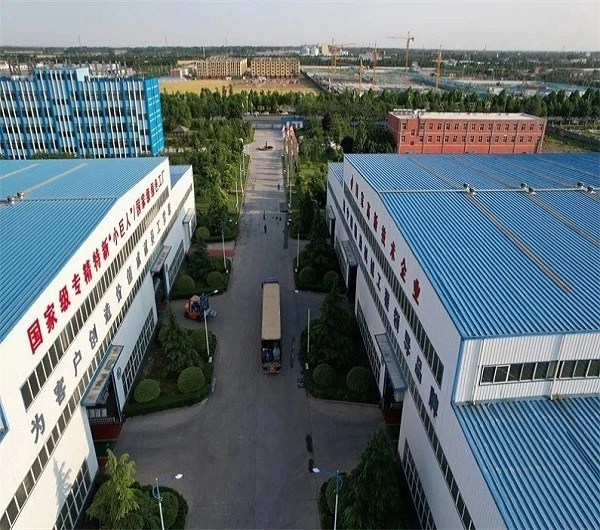
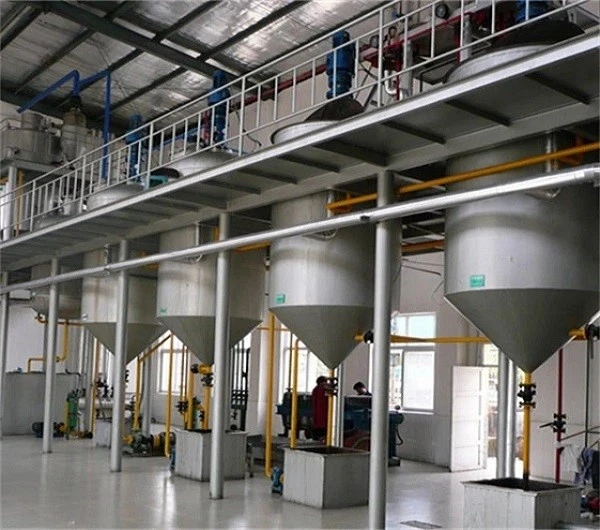
Our Factory
The company was established in 2011, our factory has 3000 square meters of workshop, dozens of professional employees.

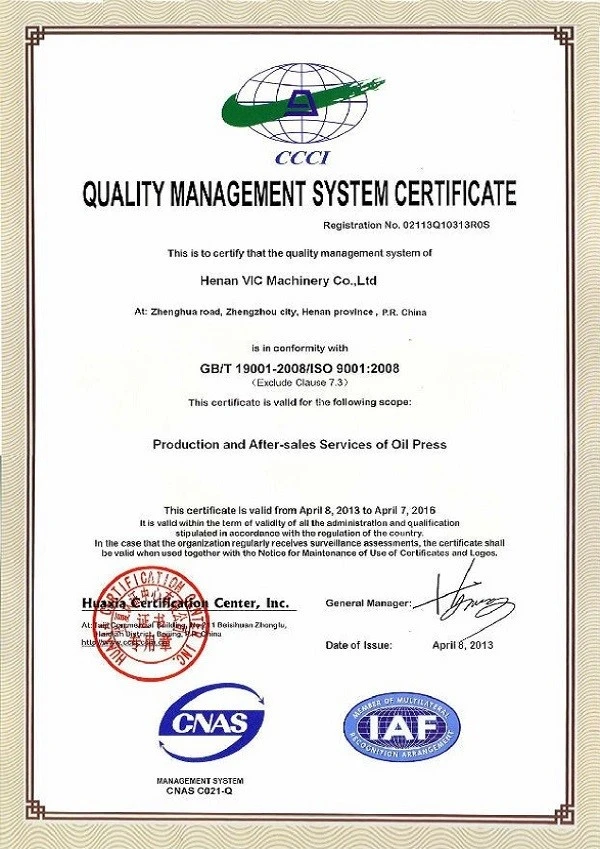
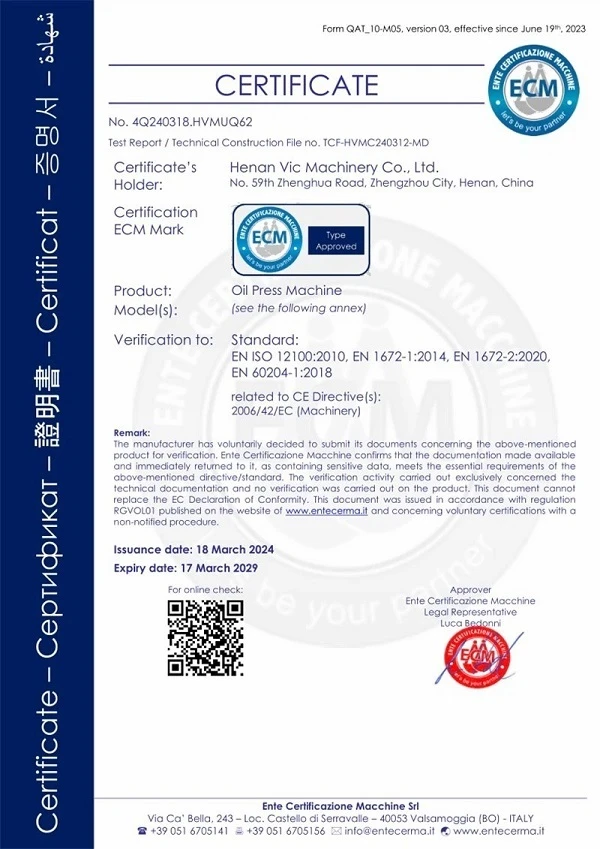
Our Certificate
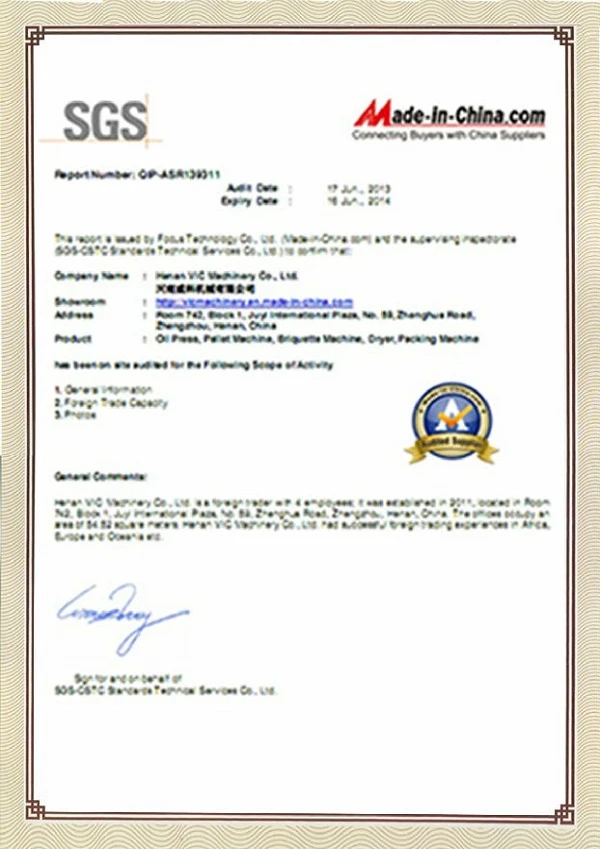
Henan VIC Machinery Co., Ltd have obtained a number of institutional accreditation and certification for oil press machine, oil processing line, flaking mill, Grinding mill, pellet machines and pellet production line, etc. since 2011. Our product quality has been recognized by the SGS, ISO authorities, and can fully meet industry standard and customer requirement.

Ultimate FAQ Guide to Automatic Integrated Oil Press
We're well-known as one of the leading hydraulic oil press manufacturers and suppliers in China. Please rest assured to buy discount hydraulic oil press from our factory. For more cheap products, contact us now.