

Edible Oil Processing Plant
1.Turn key project for different edible oil production, from pressing to solvent extraction to refinery, and final oil filling.
2.Different raw materials processing with different detailed technology design and civil works.
3.All spare parts we offer at factory cost and free technology support lifetime.


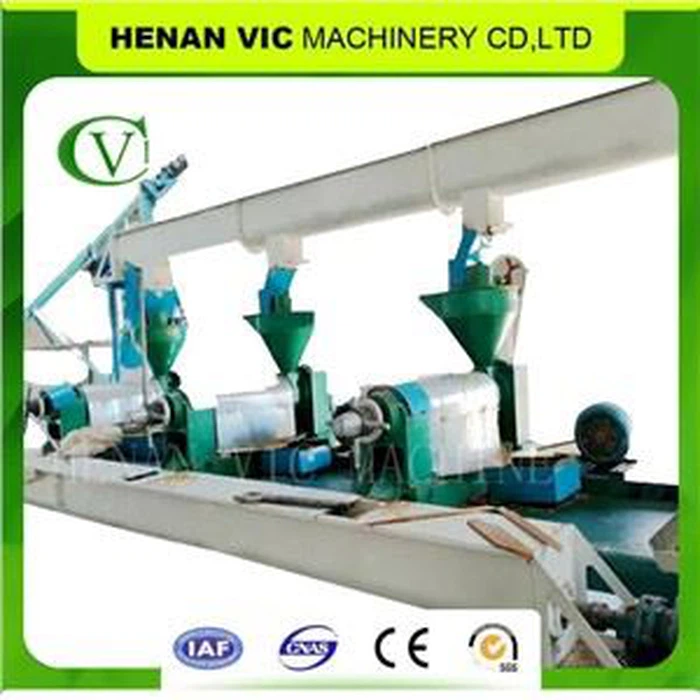
In a typical edible oil processing, plant oil is extracted from the seed first using mechanical extraction (expeller press) followed by chemical extraction (hexane extraction). By using both methods, less than 1% of the oil is left in the meal that is produced. The majority of this meal is sold for use in animal feed rations. The whole plant is a combination of a lot of processes that make the crude oil edible and refined before making it to the market for human consumption. It is also essential to ensure that while the purifying process is running, a bare minimum amount of contaminants and odor producing agents are added.
Benefits of Edible Oil Processing Plant
Elevates Oil Quality and Sustainability
An edible oil processing plant plays a crucial role in enhancing the quality and sustainability of cooking oils. Raw or crude oils obtained from sources like seeds, nuts, and fruits often contain impurities, undesirable flavors, and volatile compounds. The refinery process involves various stages of purification and refinement to remove these impurities, which results in conversion of oils that are safe for consumption and have improved taste, aroma, and stability.
Foster Employments
Establishing an edible oil processing plant creates a significant number of job opportunities in various sectors of the economy. From skilled labor to managerial positions, the refinery plant requires a diverse workforce to manage and operate different aspects of the production process. The diverse employment opportunities not only support the operations of the refinery plant but also contribute to the holistic growth and development of the community and broader society.
Offers Tailored Products
An edible oil processing plant has the capability to produce a variety of edible oil products by customizing the refining process to meet specific consumer demands. Different types of oils, blends, and formulations can be created to align with varying industry needs, taste preferences, and health considerations. By crafting oils that align with different preferences and requirements, the plant enhances customer satisfaction, strengthens brand loyalty, and positions itself as a dynamic player in the edible oil market.
Enhance Food Security and Stability
One of the significant advantages of establishing an edible oil processing plant is the enhancement of food security and stability. This benefit encompasses the plant's role in ensuring a consistent and reliable supply of edible oils, even in the face of external disruptions. This reduces dependency on imported oils and mitigates the risks associated with supply chain disruptions due to factors such as global trade fluctuations, transportation challenges, or geopolitical tensions.
Meets Quality Standards and Compliance
An edible oil processing plant operates under the framework of quality control measures, ensuring that the production processes align with industry standards and governmental regulations. Setting up an edible oil processing plant offers the significant benefit of meeting quality standards and compliance. This advantage pertains to the plant's adherence to stringent regulations and industry standards that ensure the production of safe, high-quality edible oils.
Enhance Profitability and Efficiency
An edible oil processing plant streamlines the production process, implements cost-effective measures, and improves operational efficiency. This results in higher profitability and a stronger financial outlook for the business. This advantage highlights the plant's ability to optimize operations, reduce costs, and improve overall financial performance.
Reduces Supply Chain Complexity
The establishment of an edible oil processing plant offers a valuable benefit by reducing supply chain complexities. This advantage highlights the plant's role in streamlining the production process, minimizing dependencies on external sources, and simplifying the overall supply chain. This reduces the need to source oils from distant locations, leading to streamlined operations and enhanced supply chain management.
Types of Industrial Spares Crucial for Edible Oil Processing Plant
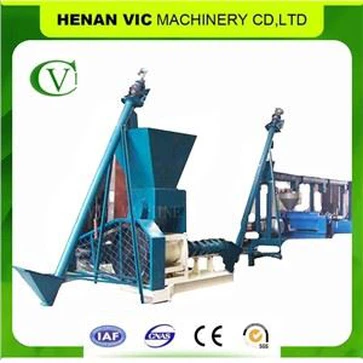
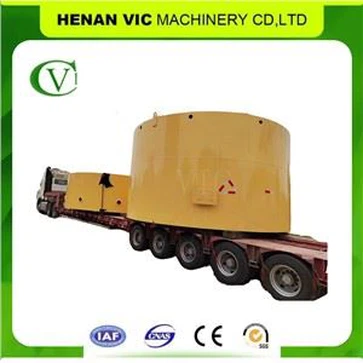
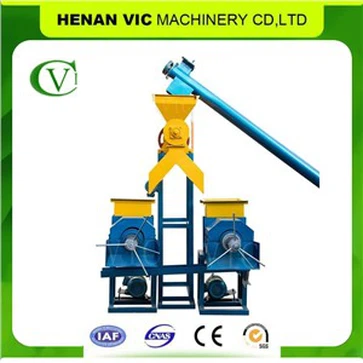
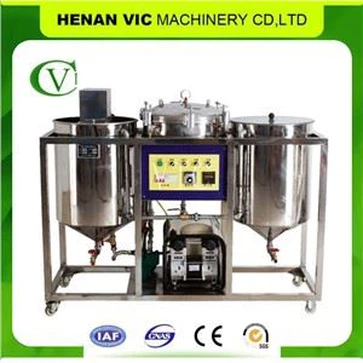
Buckets
These are components used in elevators and conveyors that become worn out over time due to continuous movement and wear by abrasive materials; hence, having spare buckets ensures an uninterrupted flow of material supply.
Centrifuge
An agitator manufacturer provides centrifuges that are designed to separate solids from oils. Spare parts such as bowl liners, bearings, and seals guarantee excellent performance while avoiding adulteration with foreign substances, thus ensuring good operating conditions.
Pumps and Motors
Liquids should pass smoothly throughout various processes within this kind of facility; consequently, parts such as impellers, spare pumps, and motor spares are essential for tackling breakdowns and maintaining constant production pressure.
Piping and Valve Components
Cracks on pipelines or faulty valves can disrupt operations and expose people to danger. Therefore, a stock of replacement gaskets, valves, and pipe sections enables fast repairs, thus minimizing downtime.
Bearings
These are the parts that reduce friction, allowing equipment to operate smoothly. Therefore, it is crucial to replace worn-out bearings with new ones to maintain optimal performance and prevent damage.
Seals and Gaskets
These parts ensure that there are no leaks while processing is underway. In this regard, it is important for any edible oil unit to have extra seals and gaskets to fix any leakage problem that may arise quickly so as not to disrupt work processes.
Filters
Oil needs to be removed from impurities whenever processing takes place. Consequently, any industry must always have additional filter elements, which will maintain better quality and avoid contamination.
Electrical Components
The plant's nervous system is made up of electrical components, such as wiring systems down to control panels, but it is not limited to them; hence, extra relays, fuses, or switches should always be readily available for quick rectification of electrical faults.
Sensor and Control System Spares
Advanced manufacturing systems rely heavily on sensors and control systems for process monitoring and regulation purposes; hence, without these spare sensor devices plus other related components, an enterprise can hardly maintain consistency in terms of both product quality and automation effectiveness.
Conveyor Belts
The reputed conveyor system manufacturer is responsible for creating robust system for moving goods across different parts of the plants and machines. A fastening device and an additional belt section may substitute for worn-out or torn-apart portions, thereby preventing bottlenecks during production.
Screw Press Parts
In extracting oil from seeds, screw presses are mainly used. Therefore, various wear plate spares, drills, and scraper blades come in handy for maintaining peak extraction efficiency while steering clear of press damage.
Control System Components
These comprise spare human-machine interface (HMI) touchscreens, programmable logic controllers (PLCs), and other vital elements used in running the plant and directing its management.
Some Basic Things to Not While Setting up An Edible Oil Processing Plant
Full Certification
One of the most important facts to get aware of is the certification of the machines. The plat that you will set up will have lots of machines, tools and equipment. They all are required to be properly coordinated. Running a plant with certified oil mill machinery is a gross mistake, as it would technically hamper your business growth. It is intelligent to check with the relevant authorities about the credentials of the machines when you are purchasing them. You will be in a better position to predict the growth of your business with machines that have well-defined certifications.
Knowing about the Features
You should have full knowledge about the various features of the machine that you are planning to buy. Without having sound knowledge regarding the features, it is not possible to operate it as desired. Moreover, you will be in a better position to train the laborers about operating the machine. Hence, try to follow the manual that is being provided by the machinery when you buy it.
Gather More Reliable Information
It is preferable to directly contact the seller and know about the various details and relevant information regarding the oil milling and extraction equipment before investing.
The Capacity or the Load
Using an oil milling machine without knowing its capacity is not practical. Gather information about the load that the machine can bear each day. Also find it out whether the functions of the oil extraction machinery are scalable or not. Scalability means you can increase or decrease the quantity of oil seeds flexibly at the feed of the machinery, without affecting its productivity. Usually, the machines have a range bounded by maximum and minimum intake limits.
New or Second-Hand
It is quite needless to state that it depends on your budget whether you want to install brand-new machinery or an older version of it, purchasing from the second hand market. The machine, if new, will obviously have more rigorous features that will help you in the long term. But if you have plans to spend lesser amount of money in setting up the plant, then going for second-hand machinery is a judicious measure to take. You can consult an expert in this regard.
Insuring the Machine
You must always remember the fact that when you are making a purchase, insuring the machinery and equipment is a must. Operating an oil extraction plant means you are taking a risk. Insurance provide you the security to cover the risk and help you run business smoothly.
Setting Up an Edible Oil Processing Plant: Key Considerations and Steps
Be it an edible oil processing plant or any other production facility, the first step is always to gather as much information as you possibly can. Explore the demand for the oil in different geographies; look at what competitors are doing; study the preparatory, extraction and refining processes; find suppliers of raw materials; find manufacturers of deodorizers, bleaching, dew axing and degumming equipment; and reach out to experts in the field. The more you know the trends in the market, the better you will be able to predict fluctuations, the better you will be able to communicate with your edible oil refinery plant manufacturers, and the better your overall chances of success will be.
After reading and learning comes doing. Craft your own business plan based on the findings from your research. This is, of course, easier said than done. Don't hesitate to engage the services of a professional to chart out the intended scale of your operations, calculate your financial requirements to get the project up and running, and clarify the details of your edible oil refinery plant for not just your investors, but also yourself.
While crafting your business plan, make sure you budget for your workforce, raw materials, infrastructure and utilities, equipment capital cost as well operating costs, repair and maintenance, permissions, and warehousing and logistics. Have a clear idea of how much money you will need to invest to prevent any surprises once you've already gotten started on the process.
Now that you have your plan in place, you want to get started procuring equipment, right? Invest carefully in a degummer, alkali refining equipment, a deodorizer, a pre-treatment and bleaching set up, and dew axing and winterization machinery. Naturally, this list will vary slightly based on the crude oil you are using. But this is a good guide to follow to make sure you haven't missed anything.
This step will go hand-in-hand with your equipment sourcing process. The space you have should, of course, be mindfully selected based on the source of your crude oil, the location of your market, the availability of supporting infrastructure and utilities, and general ease of doing business. But it should also be large enough to fit all your machines and people. Meeting all these criteria may be easier in industrial or economic zones. But there are other benefits you can leverage from being near a coast, close to transport hubs, or very close to your target market. Edible oil refinery plant manufacturers in India (and their customers) can also leverage the benefits of government-designated ago-processing clusters.
When it comes to businesses related to food and beverage, naturally, there are many regulations, standards, and permissions – some mandatory, and some voluntary. These vary from country to country, and sometimes within countries as well. It's best to check with your regional and national regulators for updated requirements.
Our Factory
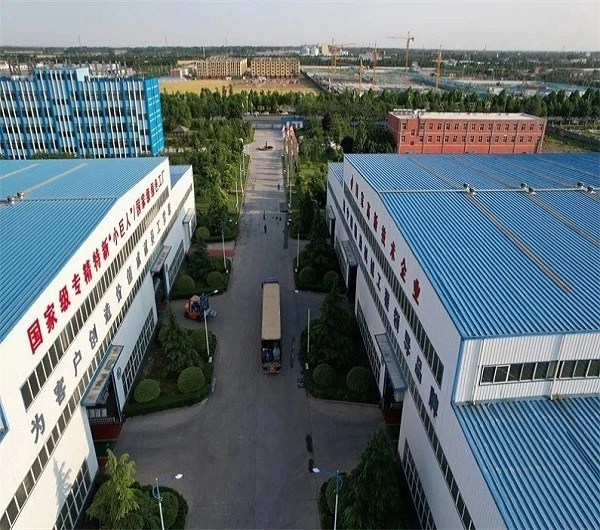
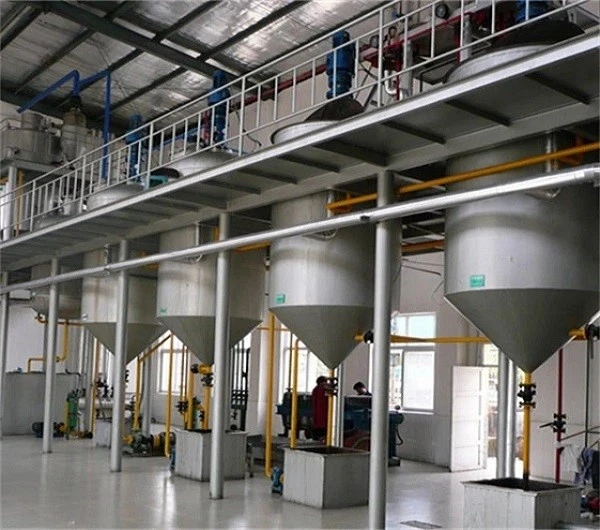
The company was established in 2011, our factory has 3000 square meters of workshop, dozens of professional employees.

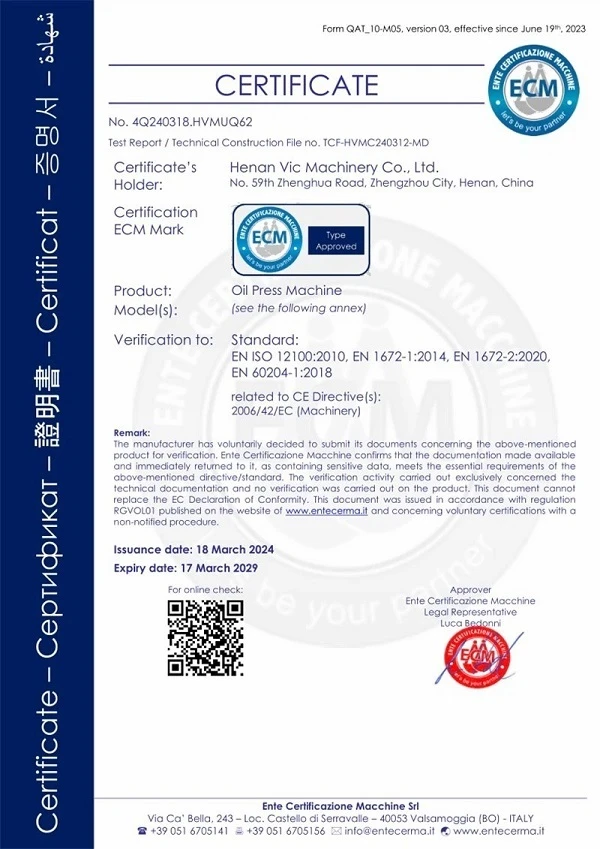
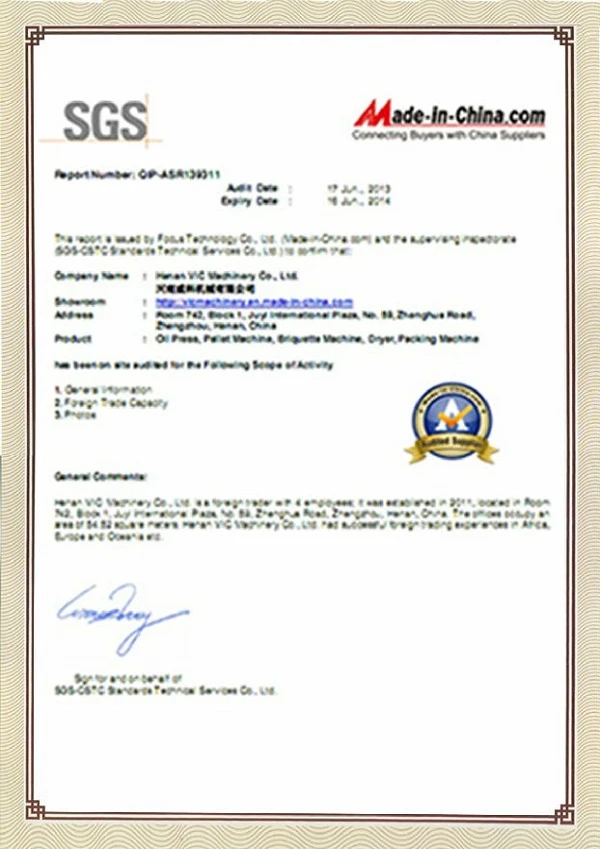
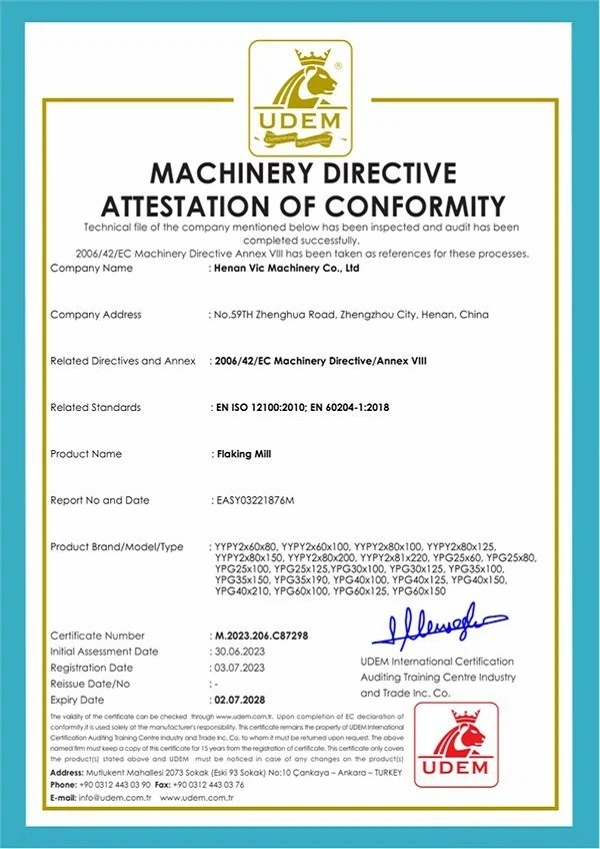
Our Certificate
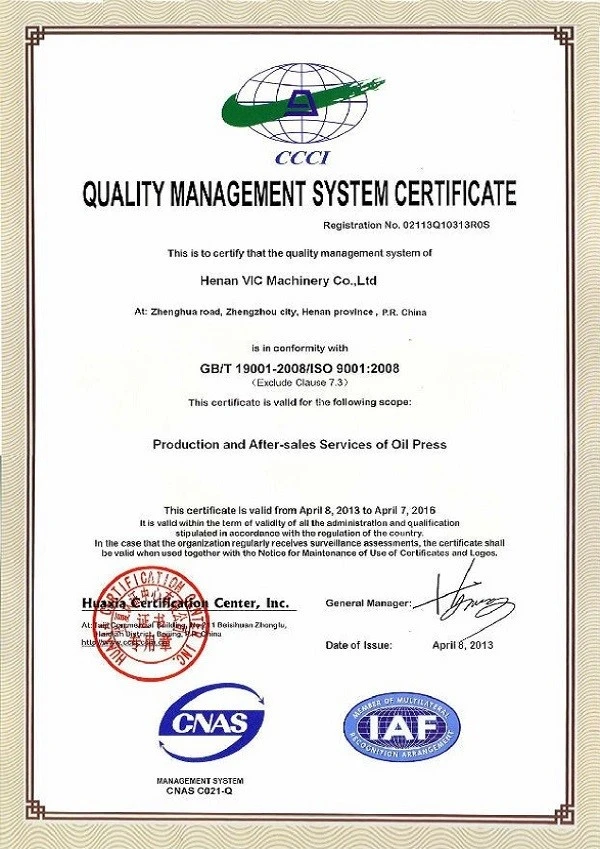
Henan VIC Machinery Co., Ltd have obtained a number of institutional accreditation and certification for oil press machine, oil processing line, flaking mill, Grinding mill, pellet machines and pellet production line, etc. since 2011. Our product quality has been recognized by the SGS, ISO authorities, and can fully meet industry standard and customer requirement.
Ultimate FAQ Guide to Automatic Integrated Oil Press
We're well-known as one of the leading edible oil processing plant manufacturers and suppliers in China. Please rest assured to buy discount edible oil processing plant from our factory. For more cheap products, contact us now.