

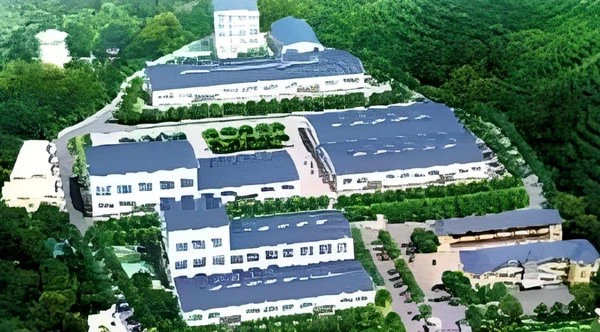
Modern oil processing plants with simple and vivid shapes, clean and beautiful appearances have higher and higher requirements for design. The master plan design is a comprehensive design with strong policy and technical requirements, which plays a pivotal role in the design of the entire oil processing plant. The rationality of the master plan design directly affects the construction cost and economic benefits of the oil processing plant.
1 Basis and principles of plan design
The master plan design of the oil processing plant should be based on national design laws and regulations, topographic maps and regulations of local planning departments, combined with construction scale, site topography, on-site transportation conditions, geology, meteorology and long-term development factors for comprehensive planning, meet the requirements of production process, transportation and power supply, properly handle the relationship between the inside and outside of the factory (warehouse), and reasonably arrange the buildings inside the factory (warehouse) area and meet the requirements of production process, building fire prevention, safety and health, labor protection, transportation, and land saving.
2 Issues to be noted in the master plan design
2.1 Relationship with the surrounding environment
During the design, not only its own environment and safety were considered, but also the sufficient safety distance between it and adjacent units was considered to meet the requirements of fire prevention and fire fighting. Secondly, it is necessary to ensure that the harmful smoke and dust generated during production do not affect human health and do not cause environmental pollution. Therefore, the local dominant wind direction and the law of wind direction change must also be considered.
2.2 Functional zoning
Functional zoning means dividing the oil processing plant into several functional sections according to production, hygiene, fire prevention and other requirements, and arranging the process equipment, units or facilities with similar production properties, characteristics and fire hazards as much as possible. It is also necessary to arrange the system according to the closeness of the logistics relationship between each monomer, so that the function of the whole plant can be clear and the cross-travel of material handling can be avoided.
According to the site conditions and process flow requirements, and referring to the relevant national regulations, the whole plant area is divided into four areas according to function, namely the production area, office area, oil tank area and storage area, and the buildings of each part are arranged in a concentrated or dispersed manner according to different needs.
2.3 Fire separation distance between buildings
The separation distance between buildings and structures, according to regulations, general oil and fat processing plant buildings should first be classified according to the fire hazards of warehouses and factory buildings based on the raw materials and auxiliary materials used: refining workshops and small packaging workshops are Class C factories, raw material warehouses, finished oil tanks, etc. are Class C warehouses, and the fire resistance level should not be lower than Class III; the fire separation distance between Class C production workshops and warehouses with a fire resistance level of Class II and Class C production workshops and warehouses is not less than 10m; the separation distance between the control room, oil pump room and oil tanks, the fire separation distance between oil tanks, between oil tanks and buildings, and the separation distance between oil tank areas and surrounding buildings and structures must meet the requirements.
2.4 Transportation requirements
The main production workshops in the oil and fat processing plant buildings have raw materials, auxiliary materials, finished products, semi-finished products, etc., and transportation issues must be considered in each link. The raw material input and product output of this project are mainly transported by road and rail according to actual conditions.
2.5 Public works
In the general layout, under the premise of meeting the fire protection regulations, the power facilities should be as close to the load center as possible.
2.6 Reasonable land use
In the construction of oil and fat factories, the policy of saving land should be conscientiously implemented and efforts should be made to improve the utilization rate of land. Compact layout, land saving and economic rationality are important factors to measure whether the general layout plan is feasible.
2.7 Consider the modeling design of the building group
The image effect of the oil and fat processing plant directly affects the overall artistic quality of the factory area. Therefore, in the general layout design, it is also necessary to consider the combination of the external space environment of the building and the internal production process, comprehensively consider the group combination of the building space, highlight the functional space and environmental elements of the oil and fat processing plant itself, and strengthen the integrity of its own style with unified space composition, color composition and other processing methods.
3 Conclusion
The general layout design of the oil and fat processing plant is in a position to take charge of the overall situation in the entire project. Therefore, designers are required to be bold and innovative, save precious land resources through reasonable overall planning and general layout of the factory area, reduce the cost of the project, and create good economic and social benefits for the enterprise.
Our Vic Machinery can design the plant and equipment layout of the oil production line according to the topographic map and floor plan you provide. Welcome to consult us!


